Author: Cyber Analyst
-

Brand Protection: 7 Key Lessons From Fake Zoom Malware
Brand protection is becoming a critical security requirement as attackers increasingly use trusted software names to distribute malware. A recent campaign involving a fake Zoom installer demonstrates how convincing software impersonation can turn a simple download into a serious endpoint compromise. According to GBHackers, threat actors used a malicious installer associated with Zoom to deliver…
-
Domain Security Monitoring: ScreenConnect Attack Risks
Cybercriminals are evolving fast, and recent reports highlight how ScreenConnect attackers are hiding windows, deleting installers, and disguising malware as legitimate software updates. This tactic not only bypasses traditional defenses but also threatens enterprises that lack robust domain security monitoring. In today’s digital landscape, visibility into attacker infrastructure is critical. Organizations must leverage a cybersecurity…
-
Domain Monitoring Guide: Google Password Manager Attacks Exposed
Google Password Manager, trusted by millions for passkey authentication, is now under scrutiny. Recent reports from The Hacker News reveal that malware can hijack passkey‑protected accounts by exploiting weaknesses in how credentials are stored and synced. For enterprises, this is not just a technical flaw — it’s a reminder that domain monitoring and proactive employee…
-

Domain Spoofing Protection: Adform Attack Exposed
A recent supply chain attack has highlighted how trusted third-party services can become powerful attack vectors. According to reporting by The Hacker News, attackers compromised a script associated with Adform and modified its behavior to silently replace cryptocurrency wallet addresses displayed on customer websites. Instead of stealing credentials directly, the attackers manipulated payment destinations, redirecting…
-

Spoofing Detection: CVSS 10 RufRoot Flaw Revealed
The cybersecurity community is once again facing a critical reminder that authentication bypass vulnerabilities remain among the most dangerous threats affecting internet-facing services. A newly disclosed CVSS 10.0 RufRoot vulnerability enables attackers to take over Ruflo systems without requiring valid credentials, exposing organizations to complete administrative compromise. 🚨 According to reports, the flaw allows unauthenticated…
-

Domain Monitoring Revealed: 700,000 Vatican App Accounts Exposed
A recent security incident involving the Vatican’s official prayer application demonstrates why domain monitoring has become an essential component of modern cybersecurity. Researchers discovered that nearly 700,000 user accounts were exposed through an unsecured application programming interface (API), allowing anyone with a web browser to access sensitive user information. While the issue was reportedly resolved…
-
Brand Protection Alert: Critical Chrome Flaws You Must Fix
Google has released an urgent Chrome security update addressing 12 high-severity vulnerabilities that could allow attackers to compromise browsers, execute malicious code, leak sensitive information, or crash systems. These flaws highlight how web browsers remain one of the most attractive attack surfaces for cybercriminals because they serve as the primary gateway to cloud applications, business…
-

Domain Threat Intelligence: 7 Urgent FBI Scam Warning Signs
Cybercriminals are constantly adapting their tactics, and one of the latest social engineering campaigns demonstrates just how convincing online fraud has become. According to recent reports, scammers are impersonating FBI agents and contacting individuals who previously filed complaints through the Internet Crime Complaint Center (IC3), claiming they can help victims recover stolen funds. Instead, they…
-
Domain Monitoring Revealed: TELEPUZ Web Injector’s Hidden Threats
Cybercriminals continue to develop sophisticated tools that silently manipulate web sessions, intercept sensitive information, and redirect victims to fraudulent destinations. One of the latest threats drawing attention from cybersecurity researchers is TELEPUZ Web Injector, a malicious toolkit capable of stealing browser cookies, executing arbitrary JavaScript, and even replacing International Bank Account Numbers (IBANs) during financial…
-
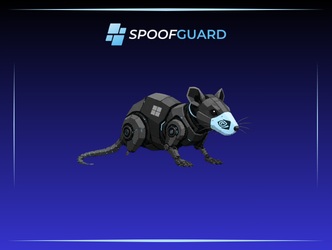
Lookalike Domain Detection: 7 Critical LabubaRAT Tactics Revealed
LabubaRAT is the latest example of how cybercriminals continue to combine convincing branding with sophisticated malware delivery techniques. According to recent security research, the Rust-based malware disguises itself as legitimate NVIDIA software, tricking users into installing a fully functional backdoor capable of giving attackers persistent access to Windows devices. 🚨 The campaign highlights why lookalike…