Category: ➽Explainer Article
-
Phishing Infrastructure Exposed: $16.6B Supply Chain Crisis
Phishing infrastructure isn’t some nebulous cloud of cybercrime, it has a physical address in the digital world. This complex ecosystem of domain registrars and hosting providers forms a sophisticated supply chain that fraudsters exploit daily. Our latest research exposes this hidden world, revealing how a concentrated group of players facilitates billions in losses annually. In…
-
Qu’est-ce que une attaque par ingénierie sociale?
Une attaque par ingénierie sociale est une technique de manipulation psychologique utilisée par les cybercriminels pour tromper les individus et les inciter à divulguer des informations sensibles, à exécuter des actions préjudiciables ou à contourner des protocoles de sécurité. Contrairement aux attaques purement techniques, elle cible le “maillon faible” de la cybersécurité : l’humain. 🤔…
-
Typosquatted Domains: The $200K Attack Strategy Criminals Use
Typosquatted domains have become the weapon of choice for cybercriminals targeting businesses worldwide. In Brazil, one attacker spent over $200,000 registering deceptive domains between 2020 and 2021, paying $16,000 for just “conibase[.]com”—a single character difference from Coinbase. This massive investment reveals an uncomfortable truth: domain fraud is so profitable that criminals treat it like a…
-
Qu’est-ce que la Cyber Threat Intelligence?
Dans un monde où les cybermenaces évoluent constamment, comprendre la Cyber Threat Intelligence (CTI) est devenu indispensable pour toute entreprise soucieuse de protéger ses actifs numériques. La CTI est l’art de collecter, analyser et exploiter les informations sur les menaces cyber afin d’anticiper les attaques et de renforcer la posture de sécurité. Dès les premières…
-

Lookalike Domains: The Hidden Risk – Why They Fail to Protect Your Brand
Lookalike domains, those slightly misspelled variations or alternate extensions of your brand, often seem like smart defensive purchases. Many businesses annually invest thousands into buying domains such as YourBrand.net, Your-Brand.com, or YuorBrand.com, hoping this will create an impenetrable shield against cybercriminals. However, this approach offers minimal protection against modern phishing attacks and brand impersonation tactics…
-
Conciencia sobre ciberseguridad: Guía esencial para proteger tu empresa en 2025
En un mundo digital cada vez más complejo, la conciencia sobre ciberseguridad (Cybersecurity Awareness) se ha convertido en una necesidad vital para empresas y usuarios. Desde ataques de phishing hasta malware sofisticado, los ciberdelincuentes aprovechan cada error humano. Por eso, fomentar una cultura de seguridad informática es clave para evitar brechas costosas y proteger los…
-

Cybersécurité pour les e-commerces : protéger vos clients et vos données
Dans un monde où les achats en ligne explosent 📦, la sécurité e-commerce devient un enjeu stratégique pour toutes les boutiques en ligne. Vol de données, fraude à la carte bancaire, usurpation d’identité… les menaces sont multiples. Et en cas de faille, ce sont la protection des données clients, la réputation et la rentabilité de…
-
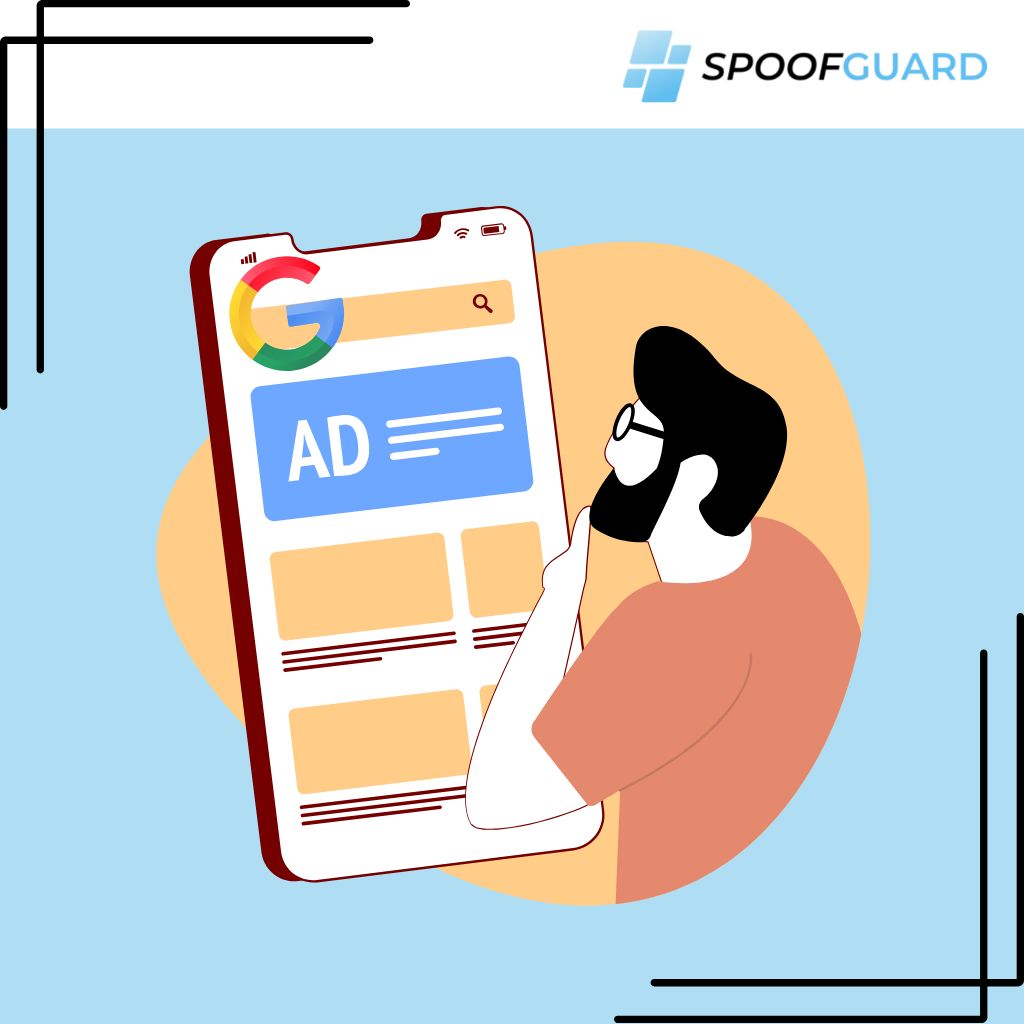
Google Ads Phishing: The Hidden Threat Hijacking Your Brand Visibility
Google Ads phishing is emerging as one of the most dangerous and deceptive cyber threats today. By leveraging paid ads, attackers can position malicious links at the very top of search results, impersonating trusted brands and deceiving users into clicking malware-infested or credential-stealing sites. This tactic, known as malvertising, turns trusted ad platforms into tools…
-

Seguridad en APIs: 6 vulnerabilidades que los hackers explotan
La seguridad en APIs es una prioridad crítica en 2025. Las interfaces de programación de aplicaciones permiten a los sistemas intercambiar datos, pero también se han convertido en uno de los vectores de ataque favoritos para los cibercriminales. Una sola API mal protegida puede dar acceso a datos confidenciales o incluso comprometer toda la infraestructura…
-
Überwachung von Domain-Doppelgängern: Lohnt es sich?
Was ist ein Domain-Doppelgänger? Ein Domain-Doppelgänger ist eine Form von Typosquatting, bei der ein Angreifer eine Domain registriert, die fast identisch mit einer legitimen aussieht – mit subtilen Unterschieden wie fehlenden Punkten, Bindestrichen oder kleinen Rechtschreibfehlern – um Nutzer oder Systeme zu täuschen. Ein Domain-Doppelgänger basiert typischerweise auf: Tippfehlern (z. B. micros0ft.com statt microsoft.com) Punkt-Auslassungen zwischen…