Category: ➽News
-

Booking.com Data Breach: 7 Key Facts Revealed
The Booking.com data breach has quickly become one of the most concerning cybersecurity incidents in the travel industry this year. In April 2026, the company confirmed that hackers gained unauthorized access to sensitive reservation data, forcing a widespread reset of reservation PINs. This incident highlights growing vulnerabilities in online booking systems and the increasing sophistication…
-
Phishing Detection: 7 VENOM MFA Threat Facts
Phishing detection has become more critical than ever as cybercriminals evolve their tactics to bypass even the most advanced defenses. One of the most alarming developments is VENOM, a Phishing-as-a-Service (PhaaS) platform designed to neutralize Multi-Factor Authentication (MFA) and steal high-value credentials. This new wave of attacks specifically targets executives and organizations using Microsoft services,…
-
Payroll Pirate Attacks: 7 Storm-2755 Tactics
Payroll pirate attacks are rapidly becoming one of the most dangerous forms of cyber-enabled financial fraud, and a financially motivated threat actor tracked as Storm-2755 is leading the charge. According to recent research by Microsoft, this group is actively targeting Canadian employees by hijacking payroll accounts and redirecting salary payments to attacker-controlled bank accounts. This…
-
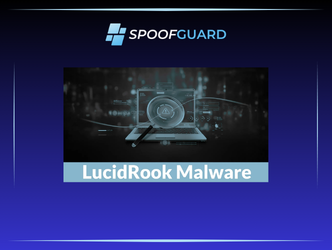
LucidRook Malware Revealed: 7 Targeted Attack Risks
LucidRook malware is emerging as a serious cybersecurity threat, particularly targeting NGOs and universities with highly sophisticated attack techniques. This newly discovered malware, analyzed by researchers from Cisco Talos, highlights how attackers are evolving their methods to infiltrate sensitive organizations. By combining stealthy execution with advanced persistence mechanisms, LucidRook malware poses a significant risk to…
-
SVG Credit Card Stealer Attack: 7 Key Risks Revealed
SVG credit card stealer attacks are redefining how cybercriminals bypass traditional security defenses. Researchers recently uncovered a campaign where hackers used pixel-sized SVG files to secretly deliver payment-card malware, allowing malicious code to remain nearly invisible to users and many detection systems. This emerging technique demonstrates how attackers continuously evolve to evade email filters, web…
-
Cybercrime Losses Revealed: $21B Fraud Surge Explained
Cybercrime losses reached an unprecedented level last year, with Americans losing a record $21 billion to online scams, fraud, and digital attacks, according to FBI reporting and cybersecurity analysts. The surge reflects a rapidly evolving threat landscape where AI-powered scams, phishing campaigns, and identity deception tactics are becoming more sophisticated and scalable. As criminals increasingly…
-
Brand cloning attacks revealed: 7 urgent ways to protect users
Brand cloning attacks are one of the fastest-growing cyber threats affecting companies worldwide. Attackers no longer need to hack your infrastructure directly—they simply replicate your brand online and trick your customers into trusting fake websites, emails, or domains. This form of digital impersonation is highly effective, scalable, and difficult to detect without proper monitoring. In…
-
Phishing por SMS con QR: 7 claves urgentes para evitar multas
El phishing por SMS con QR se ha convertido en una de las amenazas más peligrosas en ciberseguridad en 2026. Los ciberdelincuentes han evolucionado sus técnicas y ahora utilizan códigos QR para engañar a los usuarios con supuestas multas de tráfico, logrando robar datos bancarios en cuestión de minutos. Este tipo de fraude digital no…
-
FBI Warns Chinese Apps: 7 Urgent Privacy Risks Revealed
FBI warns Chinese apps users and organizations about growing cybersecurity concerns tied to foreign-developed mobile applications and potential exposure of sensitive personal data. According to recent security advisories and investigative reporting, U.S. authorities emphasize that certain overseas apps may collect extensive user information that could be accessed under foreign data laws. As global mobile usage…
-
Recruitment Phishing Scam: Palo Alto Job Fraud Exposed
The recruitment phishing scam targeting job seekers by impersonating Palo Alto Networks recruiters has exposed a growing cybersecurity threat affecting professionals worldwide. Over several months, attackers carefully crafted fake hiring campaigns, convincing candidates they were engaging with legitimate recruiters while secretly collecting sensitive personal and financial information. According to investigations published by Palo Alto Networks’…